LA's Hair Color Trends for Summer 2026, Booking Now
Walk into any salon in Venice or West Hollywood right now and you'll hear the same thing repeated across every station: clients are done fighting their hair. They want color that looks polished without punishing them every six weeks. That shift - subtle, practical, deeply LA - is organizing everything that's getting booked this summer.
The dominant mood of summer 2026 hair color in Los Angeles can be summed up in four words Amy Huson, owner of Amy Huson on Rose salon in Venice, used recently: "working with what your mama gave you." Her point was specific: the trend isn't low effort as a style choice, it's enhanced and considered - color that looks inevitable rather than imposed. That framing shows up in which techniques are selling, which shades are winning, and which ones are quietly being phased out.
What LA Colorists Are Booking Right Now
The trend list for summer 2026 is genuinely warm. Not warm in a vague seasonal way, but specifically golden, caramel, and honey-toned across almost every color family. LA-based colorist Alex Pardoe reports that brunette clients are requesting "low-maintenance, sun-kissed and golden" - and he recommends well-blended soft gold or caramel highlights as the go-to execution.
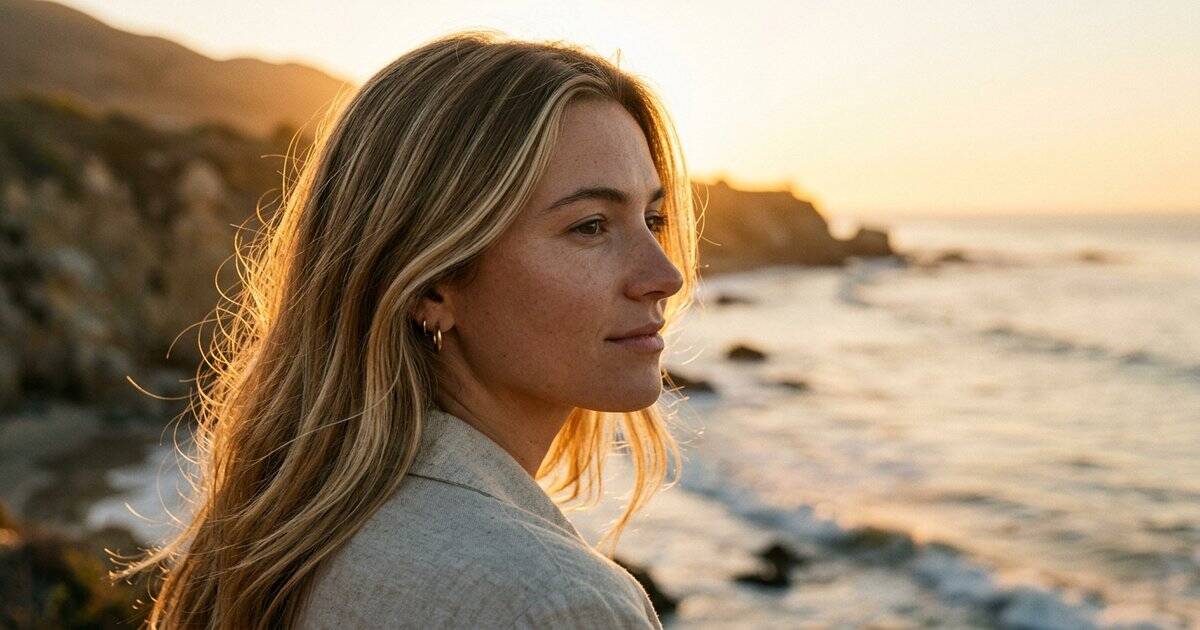
Matt Rez, the colorist known for working with Hailey Bieber, has been associated with the look topping booking charts right now: warm sandy bronde. The technique involves finer highlights taken to a pale yellow stage (not platinum, deliberately short of that), with a root melt that creates a soft gradient rather than a demarcation line. It's the kind of color that looks like it grew in at the beach.
Jacob Schwartz, LA-based colorist and Schwarzkopf Professional's U.S. Hair Color Trend Ambassador, is pointing in the same direction. His read on 2026 is consistent with the broader colorist consensus: warm, dimensional, and forgiving of natural grow-out. That word "forgiving" keeps appearing in how professionals talk about this season's work, because their clients keep asking for it.
Why LA's Climate Changes Which Trends Actually Work Here
Los Angeles gets more than 280 sunny days a year. That single fact shapes which color trends make sense here in ways that national trend coverage almost never accounts for.
UV exposure oxidizes color molecules, and not all color molecules are equal. Red pigment molecules - the largest - fade the fastest under sun exposure. That's why vivid reds, copper, and cherry cola shades require more frequent toning refreshes in LA than they would in, say, Seattle or Chicago. Warm blonde and brunette tones that aren't built on heavy red pigment tend to hold better, and when they do fade, they fade toward sun-kissed rather than washed-out.
Dimensional color techniques - balayage, glossing, and multi-tonal placement - have dominated LA bookings for years, and UV tolerance is a big part of why. A single-process color applied uniformly across all strands fades uniformly too, which tends to look flat and obviously "grown out." Dimensional color, by contrast, fades in a way that reads as natural lightening rather than color decay. This is why your LA colorist is going to recommend balayage almost every time - it's not just trend chasing, it's physics. For the full explanation of how UV affects color maintenance timelines in LA, see our guide on protecting color-treated hair through LA summers.
Warm tones also interact more favorably with LA's natural outdoor daylight, particularly the golden-hour light that characterizes much of Southern California's afternoon. Cool ash tones can read flat or slightly gray-green in that warm-spectrum light. Honey blonde, caramel brunette, and amber copper tones are activated by it. That's not a coincidence - it's one of the real reasons warm has held its ground in this market for so long. The National Weather Service Los Angeles office tracks the region's sunshine data, and the numbers reflect how consistently intense and extended the UV season actually is here.
The Dominant Trend: Warm, Lived-In, Low-Maintenance
Several specific looks are clustering at the top of booking requests right now, and they share a common vocabulary.
Sandy Bronde is the closest thing to a universal summer 2026 LA look. It sits between dirty blonde and light brunette, with warmth built in through placement rather than uniform tone. It grows out gracefully, photographs well in natural light, and works across a wide range of skin tones - important in a city as demographically diverse as LA, where colorists are serving Latina, Southeast Asian, Black, and mixed-race clients alongside the standard reference population that most trend coverage assumes.
Golden Hour Blonde is the warm, champagne-toned version of summer blonde - creamy, buttery, and nothing like the icy platinum that dominated earlier in the decade. Think beige with warmth, not brightness. It's the blonde that works outdoors rather than looking washed out in sunlight.
Warm Cinnamon Brown gives brunettes a dimension option without asking them to go blonde. The cinnamon and latte-inspired shades layered through a natural brunette base create visual depth while staying comfortably within the client's existing color story. Low-maintenance because it follows the natural hair's warmth rather than fighting it.
Monochromatic Brunette - all one color family but with soft dimension and a gloss finish - is the answer for brunettes who are genuinely done with highlights but still want their color to look intentional. A gloss treatment applied over a very soft color refresh can take flat brunette to something that looks lit from within without any placement at all.
What ties all of these together: softened regrowth lines, tonal blending, and color that the editorial world calls "lived-in." Polished, but not processed. That's the room everyone is trying to land in this summer. For the full story on the warm brunette revival driving this, see our piece on why LA salons are moving toward warm brunette in 2026.
Cherry Cola and Ethereal Copper: The Statement Shades
Not everyone wants to blend into the warm neutrals. For those clients, two shades are pulling serious booking attention right now.
Cherry Cola has been called 2026's most requested salon color, and the cultural pull behind it is real. Dua Lipa and Zendaya have both worn versions of this shade, which puts it on a lot of mood boards right now. The look is dimensional - burgundy-brunette indoors, warm red-violet when you step outside. That multi-tonal quality is actually what keeps it from falling apart under UV, because fading reads as shade shift rather than color that just gave up.
Still, any shade built on red pigment molecules is going to fade faster in LA than it would elsewhere. Before you book cherry cola, have a direct conversation with your colorist about toner refresh frequency. Realistically: every 4-6 weeks during peak sun months. If you're hiking Runyon on weekends and can't stomach that schedule, ask whether a cooler-based burgundy-brunette might hold for you instead.
Ethereal Copper is the softer version of what copper used to mean. Two seasons ago, copper was vivid, almost editorial. Now it's a gradient: auburn at the roots, peachy warmth at the ends. It flatters warm olive and medium-dark complexions particularly well, and it reads more wearable than full-saturated copper because the color moves through the hair rather than covering it flat.
Same maintenance reality applies. Copper carries those red pigment molecules, and LA sun will work on them. A lot of clients decide the freshness payoff is worth the upkeep. That's a reasonable call. Just make it with accurate numbers in front of you.
The Trend Nobody Is Talking About Enough: Gray Blending
Here's the quiet one. Gray blending - executed with balayage-style techniques to soften the transition from natural silver into the rest of the hair - is gaining booking momentum with clients in the 35-plus range who have been fighting their silver for years and are ready to stop.
This isn't the same as "going gray." Gray blending doesn't ask you to let your natural color fully take over; it uses your silver as a design element instead of a problem. A colorist applies lightener to specific sections to mimic the way natural silver grows in, then tones to create a soft, intentional gradient rather than a harsh line where covered gray meets natural hair. For the full breakdown of how gray blending differs from full coverage, and when each approach is the right call, see our piece on gray blending vs. full coverage color.
In LA, where outdoor light flatters silver tones the same way it flatters warm blondes, this approach looks particularly good. The demand is growing. It's not yet in the top booking tier for most salons, but colorists are noticing it picking up, especially from clients who have been spending hundreds of dollars every six weeks covering roots and are exhausted by the cycle.
How to Book This Season
Knowing the trends is one thing. Knowing what to say at the consultation is a different problem.
For the warm, lived-in blonde direction: say "sandy bronde" or "golden hour blonde" out loud, and show a reference photo. Ask your colorist to keep the regrowth line soft - not sharp. If you want to stretch your appointment window, ask specifically about a root melt or shadow root technique. Those words will get you a more useful conversation than "I want something natural."
For the statement route: search cherry cola by that name, not "red-brown" or "burgundy." Colorists know the reference. Bring two or three photos. Then ask your colorist to be straight with you about the toning schedule for LA's sun exposure. If they don't bring up a bond-building treatment like Olaplex, ask about it yourself.
For gray blending: this one requires a colorist who has actually done it before, because it's not the same skill set as standard root coverage. Ask to see portfolio examples. Not every salon offers it well.
The question worth asking anyone this season, regardless of what you're booking: "How will this look after six weeks of UV exposure?" A good colorist will give you a direct answer. That directness is the thing to look for. To find studios that have built reputations for getting this right, see the Hair Color LA ranked comparison of top LA studios.
What's Fading Out
Icy platinum and very cool ash tones are the clear answers here. Uniform single-process color that shows obvious regrowth at three weeks is also going the wrong direction - both in terms of what salons are recommending and what clients are tolerating in their schedules.
Very bright vivid color placements - blues, greens, vivid purples as full-head color - are not disappearing, but they're a niche category in LA salons right now, not a dominant booking trend. For clients who want vivid color, it's available; it's just not what the majority of the market is asking for this summer.
The direction is toward color that does its work quietly. Color you can actually live in. That's an LA sensibility as much as it's a trend cycle - the city's light, the outdoor schedule, the reality of 280 sunny days a year all push in the same direction. Your color should look like it belongs here. The salons that understand that are the ones getting booked solid through September.