Warm Brunette's Quiet Comeback in LA, Away from Ash
For about five years, the goal was cool. Ash brunette. Greige. Smoky taupe. The kind of color that looked sophisticated in a certain indoor light, photographed in a blue-gray register, and required a standing appointment with a purple shampoo. Salons from Silver Lake to Beverly Hills built whole service menus around keeping warm out of brunette hair, and clients showed up faithfully every four to six weeks for toning appointments to maintain that particular cold, flat finish.
That era is over. Not dramatically, not with a press release, but measurably. Ask any LA colorist what brunette clients are requesting in 2026 and you will hear the same language repeated across the city: warmth, glow, dimension, life. The word "flat" has become the thing to avoid, not the thing to achieve. And that shift is changing what actually gets done at the chair.
What Ash Brunette Looked Like at Its Peak
Between roughly 2018 and 2023, cool brunette was the dominant direction in LA salons. The look was specific: hair toned cool enough to read almost taupe in some lights, with regrowth that was constantly revealing the natural warmth underneath. That regrowth was the problem. Natural brunette hair almost always pulls warm, which means ash color required constant intervention to stay neutral. Purple shampoo one to two times a week. Professional toning every four to six weeks on average. Without that maintenance, the color turned brassy almost immediately under any sun exposure.
In LA, with more than 280 sunny days a year, the brassiness problem was more pronounced than in most US cities. UV light oxidizes hair color molecules, and cool toners are the first thing to go. A client who got an ash toning on a Friday could walk out of a full weekend in Malibu looking like a different color by Monday. The maintenance cycle was real and exhausting, and salons knew it. For a full breakdown of how LA's environment accelerates color fade, see our guide on protecting color-treated hair through LA summers.
What kept ash popular despite all that: it was distinctive, it photographed in a particular way that suited the early Instagram era's editing style, and it carried cultural associations with a specific kind of cool-girl aesthetic. When that aesthetic started to shift, the demand for ash started dropping with it.
The LA Light Argument: Why Warm Tones Work Better Here
National trend coverage almost never touches this, because it's a local problem with a local answer.
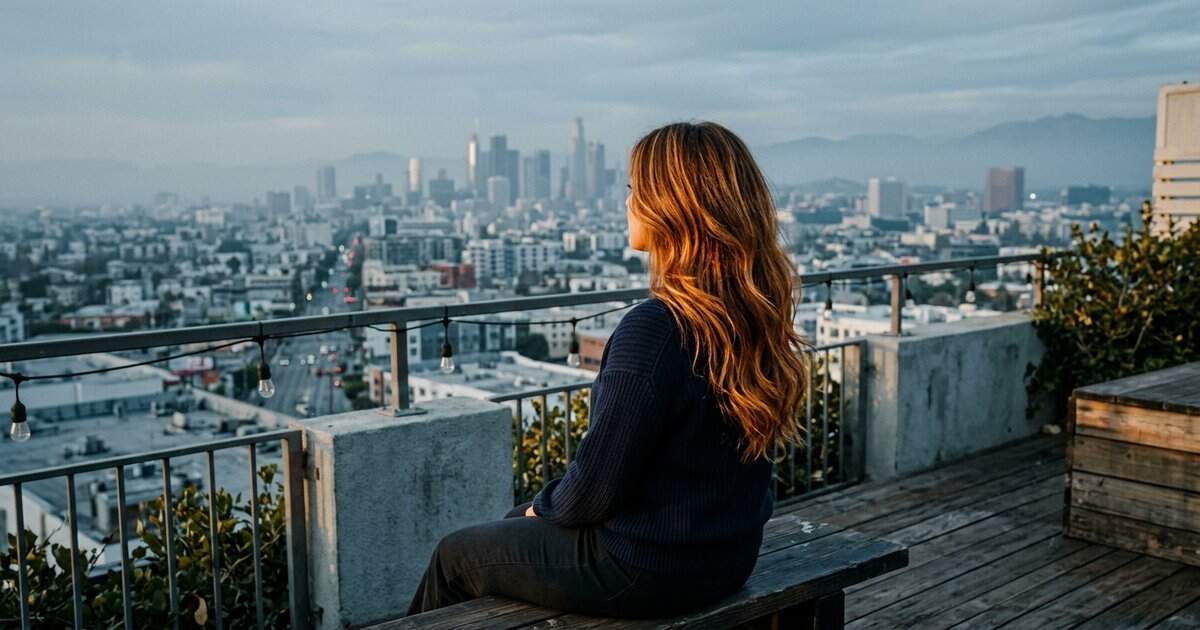
Los Angeles is one of the few American cities where golden-hour light is a daily reality rather than an occasional condition. The warm, directional light that photographers specifically seek out in the late afternoon hours is a routine feature of the outdoor experience here. That light does something specific to hair: it illuminates warm tones and flattens cool ones. A caramel brunette in LA afternoon light looks dimensional and lit-from-within. An ash brunette in the same light can read flat, almost greenish, depending on the specific tonal balance.
This isn't just aesthetic preference. The physics of warm-spectrum directional light explain why the specific palette of colors that work in LA feel different from what works in Seattle or Chicago, where overcast diffuse light makes cool tones look softer and more flattering. Warm brunette shades read the way people in LA want their hair to read: dimensional, healthy-looking, activated by the light rather than fighting it. The National Weather Service Los Angeles office documents the region's sunshine patterns that create this distinctive outdoor light environment year-round.
The Maintenance Comparison: What Ash Actually Costs You
Celebrity colorist Chase Kusero, co-founder of IGK Hair Care, put it plainly in recent spring 2026 trend coverage: "Spring is all about renewal and brightness. People are moving away from flat and ashy tones, and are looking for colors that are bright yet warm and dimensional." The practical reason behind that shift doesn't come up as often as it should.
Ash brunette is high-maintenance by structural design. You're working against the hair's natural tendency to pull warm, which means you're in a constant corrective cycle. The maintenance math in LA is especially punishing: purple shampoo twice a week, toning appointments every four to six weeks, and an expectation that any significant outdoor time will require an unscheduled refresh. For clients with active outdoor lifestyles - which describes a significant share of the LA market - that cycle becomes untenable.
Warm brunette shades behave differently because they work with the hair's natural warmth rather than against it. Warm brunette shades "fade more naturally" and "blend with natural base growth more gracefully, reducing visible regrowth lines." A caramel balayage that grows out two inches doesn't show a demarcation line the way an ash single-process color does. The warm tone in the new growth reads as part of the design rather than as evidence that it's time to come back in.
In practice: many clients who make the switch find they can add four to six weeks to their appointment window before the color looks like it needs attention. For a city where people are outdoors constantly and salon schedules are already packed, that gap matters. Our article on what "low maintenance color" actually means in LA breaks down the full maintenance math service by service.
The Specific Shades Dominating 2026
LA-based celebrity colorist Laurie Heaps, quoted in Marie Claire's spring 2026 trend coverage, identified the warm brunette shades she's currently seeing most demand for: "Rich, glossy brunettes are in high demand right now, such as espresso, milk chocolate, and multi-tonal brunettes with subtle dimension." She also called out "copper, cowboy copper, burnt sienna, muted cinnamon, and warm amber" as "particularly popular shades that feel luminous, flattering, and work on a wide range of skin tones."
That last point carries more weight in LA than it does in most markets. The client base here is genuinely varied - Latina, Southeast Asian, Middle Eastern, mixed-race complexions are all well-represented - and a palette that works across warm-undertoned skin travels much further in this city than one calibrated for a narrow demographic. The caramels, ambers, and cinnamons that define warm brunette have strong natural compatibility with warm undertones. That's part of why the shift is happening here, not just in cities where trend adoption tends to mirror a more homogenous beauty press.
The named shades for 2026 that are showing up most consistently across editorial coverage:
- Toffee Brunette: Golden caramel with a mid-brunette base. The warm equivalent of a sandy blonde - works at the shoulder-to-midback length range, very good for light to medium brunettes who want dimension without going truly blonde.
- Molten Brunette: Layered chocolate, mocha, and amber. More depth than toffee, better for clients with darker natural bases who want dimension without lightening the overall tone significantly.
- Caramel Flan Brunette: Espresso base with warm chestnut and caramel melted into the midlengths and sunlit areas. The most dimensional of the group. Named for spring 2026.
- Dimensional Cocoa: Rich chocolate base with soft, close-in highlights. Glossy and healthy-looking without showing obvious placement. Good for clients who want the result without it being obvious that highlights were done.
- Warm Cinnamon: Muted, spice-toned, flattering on olive and warm-dark skin tones. Less red-adjacent than copper, closer to a deep amber-brown.
- Espresso Gloss: Very dark, very rich, with a glass-like finish from a gloss treatment over a deep brunette base. No placement at all - just depth and light reflection.
Expert colorist Carl Bembridge described the shift in terms that explain the cultural moment as much as the aesthetic one: "Brunette is having a moment because it looks incredibly rich, healthy, and polished." That word "healthy" is doing a lot of work. After years of highly processed blonde trends and the UV-damaged look of over-toned ash, there's demand for hair that simply looks like it's in good condition.
What It Takes at the Chair
What happens at the chair depends almost entirely on what you're walking in with.
If you're a natural brunette who has been maintaining ash color for several years, the transition is not always a single appointment. Ash toner molecules have to fade or be removed before warm tones deposit evenly. A colorist may recommend a chelating pre-treatment to remove mineral and toner buildup - especially relevant in LA, where hard water affects how color deposits. The LA area's water chemistry can interact with warm tone formulations in ways that affect the final result, which is a question worth raising with your colorist before the appointment. Our article on how LA's hard water affects hair color explains the mechanism in detail.
For clients coming from a relatively natural brunette base, or from warm balayage that's faded, warm brunette shades can often be achieved in a single session. The technique is usually one of three: a full-tone gloss (covers the base, deposits warm tones evenly, adds shine), a balayage with warm-toned lightener and a complementary toner, or a combination approach where darker bases are addressed with a gloss and lighter sections are created with targeted placement.
Hair health matters more for warm brunette than it often does for ash. Rich, glossy warm brunette reads as healthy. On damaged, porous hair, even a well-formulated warm color can come out looking rough or uneven because porous hair absorbs pigment inconsistently. A colorist who is serious about warm brunette results will typically want to see the condition of your hair before the appointment and may recommend a bond-building treatment like Olaplex before or during the color service. Our piece on whether Olaplex is worth it as a salon treatment covers when bond builders actually make a difference.
For studio recommendations where you can get a proper warm brunette consultation, the Hair Color LA ranked comparison of top LA studios is a useful starting point.
Who Should and Should Not Make the Switch
Warm brunette is not for everyone, and a good colorist will tell you so.
The best candidates: natural brunettes of any depth who have been fighting warm tones for years and are ready to let them work instead of against them. Clients with warm-undertoned skin (olive, golden, honey, deep warm brown) who haven't found that cool tones flatter their complexion. Anyone whose lifestyle makes the ash maintenance cycle impractical.
The cases where it's worth a real conversation first: very fair, pink-undertoned skin can read less flattered by heavy warm brunette. Cool-toned blondes transitioning to brunette may find a neutral brunette is a better starting point than a warm one. And clients with heavily bleached or significantly damaged hair should address hair health before adding warm tone work - the results will be better, and the colorist will have more to work with.
The honest answer on ash: it's not obsolete. For the right skin tone and the right lifestyle, a cool, neutral brunette can still be a beautiful result. What's changed is that it's no longer the default. Warm is the direction most colorists are recommending now, and the LA-light rationale for that recommendation is more substantive than just trend following.