Is the Curtain Bang Money Piece Already Over in LA?
In 2022, the money piece was everywhere. You know the look: face-framing sections - usually two chunks angled from the crown down to frame the face - lifted significantly lighter than the rest of the hair. High-contrast. Deliberate. The kind of color placement that reads immediately from across a room. On TikTok it was a defining aesthetic, attached to curtain bangs so routinely that the two techniques became practically inseparable in the popular imagination.
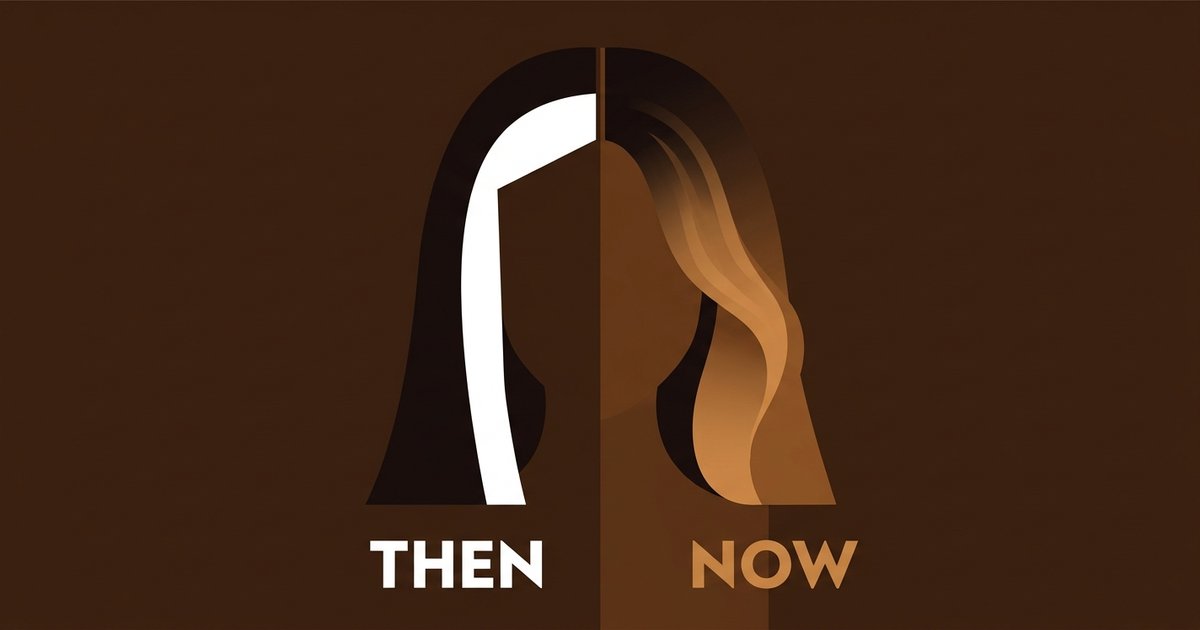
By 2024, it had peaked. By now, in mid-2026, the original version of the money piece - the bold, high-contrast, platinum-panel-on-dark-hair version - is quietly becoming the haircut equivalent of the shag from three years ago: still wearable, but recognizable as a specific cultural moment rather than a current one. The question is what replaced it, and whether face-framing color itself is over or just evolving. The answer, in LA at least, is definitely the latter.
What the Money Piece Actually Is (Before We Declare It Dead)
The money piece is face-framing color: lighter sections placed specifically around the face, from the hairline and temples down through the front sections of the hair. The name itself - derived from the idea that the face-framing sections are the part of the hair you "show," the part doing the most work - dates back to early 2000s chunky highlight trends, though the modern version that went viral is more specifically tied to the 2021-2023 era and to Hailey Bieber's soft honey-blonde interpretation.
What made it popular was its logic: face-framing highlights brighten the area around the face, which catches light and creates a dimensional effect without requiring full-head color. It's relatively low-commitment compared to balayage. The focus is narrow, the application time is shorter, and - when done well - the effect is substantial for the input.
The problem is that "high-impact" is relative. At peak money piece in 2022, the impact was bold: stark contrast, platinum panels, a very deliberate before-and-after quality. That specific version is what's dating. The underlying logic - put lighter color where it frames the face - remains completely sound. It's the execution that's shifted.
How the Curtain Bang Money Piece Became a Defining LA Aesthetic
The combination of curtain bangs and money piece wasn't invented in LA, but it found a particularly receptive audience here. Curtain bangs - center-parted fringe that sweeps to the sides, framing the face - work in LA's climate: they're not a fringe that needs to stay pressed flat, they're meant to move, and they look at home with the city's air-dried, lived-in hair culture. Money piece added color emphasis to the exact sections that curtain bangs frame. Together, they amplified each other in a way that made both more visible.
The combination showed up constantly on LA-adjacent social media between 2021 and 2023. Specific enough to feel intentional, approachable enough that almost any client could walk in and ask for it. It was one of those rare moments when what the editorial world was doing and what actual people could book were the same thing.
The tell that a combination has peaked: when you start seeing it on people who are clearly several cycles behind the trend, rather than the people who are usually ahead of it. By late 2024, that shift was visible in LA. The curtain bang money piece had crossed from "current" to "everywhere," and in a trend market, "everywhere" is the beginning of the end.
What's Replaced It: The Evolution, Not the Abandonment
Bangstyle, the professional hair inspiration platform, noted in late 2025 that the money piece was making "a chic comeback" - but the qualifier there is important. What came back was Jennifer Aniston's bronde money piece: soft, dimensional, blended, warm-toned. Not the high-contrast original. The platform described it as a "softer transition between highlights and base color for a naturally sun-kissed appearance."
Equo Hair's color specialists state it plainly: the money piece "isn't going anywhere - it's simply evolving," and the direction of that evolution is consistently toward subtlety and blend, away from high contrast. That matches what LA colorists are executing right now.
Two specific techniques are doing the work that the original bold money piece was doing, but doing it differently:
Halo highlights are the most direct successor. Halo highlights are "concentrated around the face frame but more subtle than a traditional money piece," only a few shades lighter than the natural or base tone. They grow out with less visible demarcation because the contrast is lower to begin with. Halo highlights deliver face-framing dimension without the maintenance reality of a bold contrast panel. For LA clients who are outdoors frequently, that lower-maintenance grow-out is a real benefit.
Warm-toned money piece panels are the other evolution. Rather than platinum or stark blonde on dark hair, the 2025-2026 version uses butter pecan blonde, caramel, golden honey, or bronde. L'Oreal Professional coverage specifically calls out butter pecan blonde as a leading money piece shade for 2026 - a creamy, beige-blonde that's warm and natural-looking rather than high-contrast. On a brunette, a warm caramel money piece looks like sun did it, not a salon appointment two weeks ago. That's what LA clients are asking for right now.
Why the Warm Shift in Face-Framing Color Is Specifically an LA Story
The move from platinum to caramel in face-framing color isn't just an aesthetic preference shift. It connects directly to the broader warm-tone movement in LA for 2026 - and to the specific outdoor conditions that shape which color choices hold up here.
High-contrast platinum face-framing panels are built on heavy bleach lifting. In LA's sun - which the National Weather Service Los Angeles office documents at over 3,500 annual sunshine hours - that level of lightening oxidizes quickly. The stark blonde can turn yellow-orange within weeks of an outdoor summer, which requires more frequent toning to maintain. A warm caramel money piece, on the other hand, oxidizes in a way that's much harder to distinguish from just having spent time in the sun. It fades gracefully. It doesn't ask you to come in for emergency toning after a weekend in Palm Springs.
Skin tone is the other part of this that doesn't get talked about enough. The original high-contrast money piece was most flattering on a specific, fairly narrow range - typically lighter complexions where platinum didn't create jarring contrast. Warm-toned panels work much more broadly. Caramel on dark brunette reads well on warm olive and deep complexions in a way stark platinum simply doesn't. LA colorists working with a genuinely diverse client base have noticed this. The warm shift isn't just a trend preference - it's also a better answer for more of the people actually sitting in the chair. For the full context on LA's 2026 color direction, see our piece on the warm brunette revival in LA salons.
The Curtain Bang Specifically: Where That Combination Stands Now
Curtain bangs are not over. The cut still fits LA hair culture well: air-dry friendly, built to move, none of the daily maintenance a blunt fringe demands. What's dated is the specific pairing - curtain bangs plus high-contrast money piece, together. Those two elements have quietly separated. Curtain bangs now show up more often with grown-out balayage, halo highlights, or no color treatment at all.
Face-framing color has followed a similar path. It's no longer likely to mean a bold, distinct panel with its own clear color zone. It's more likely to mean softer halo placement, or a warm caramel that melts into surrounding balayage. The shift in language captures it: less "here's my money piece" and more "my color just happens to look good around my face."
That's a useful distinction for anyone booking color right now. If you ask for a money piece in 2026 and your colorist is a good one, they're probably going to ask you a follow-up: bold or blended? High-contrast or soft? Warm or neutral? The answer to those questions determines whether you leave with something current or something that references a very specific moment from three years ago.
What to Ask for If You Want Face-Framing Color in 2026
The terminology has gotten messy. Colorists and clients use "money piece," "face-framing highlights," and "halo highlights" interchangeably, and they don't mean the same thing. Knowing the difference before you walk in gives you a better shot at getting what you actually want.
If you want something soft and sun-kissed: ask for halo highlights. Specify that you want them a few shades lighter than your base, blended rather than framed. Ask for a warm tone - honey, caramel, or butter blonde depending on your starting point. This is the lowest-maintenance version and the most current.
If you want visible face-framing with some contrast: ask for a money piece, but specify warm and blended. Bring a reference photo that shows the tone you want - something that looks like it could be natural, not something that looks like a salon effect. Mention Jennifer Aniston's current color if you want the colorist to understand the register.
If you had a bold money piece and want to update it: ask your colorist about softening and warming the existing panels. Often this is achievable with a toner adjustment - cooling down the stark platinum and shifting it to a warmer, more blended tone - without having to start from scratch. It's a lower-cost update than a full re-do. For a broader look at how sun and wear affect these tonal shifts over time, see our article on why highlights turn brassy and what to do about it.
What to avoid telling your colorist: "I want the curtain bang money piece I had in 2022." That's a specific reference, and a colorist who is doing their job will gently redirect you. If they don't, it's a useful piece of information about how plugged in they are to where color has moved.
For studio recommendations that keep up with where these techniques are now, see the Hair Color LA ranked comparison of top LA studios. And if you're comparing balayage to a traditional highlight approach before deciding how to frame your face-framing request, our guide on balayage vs. highlights in LA explains the key distinctions.