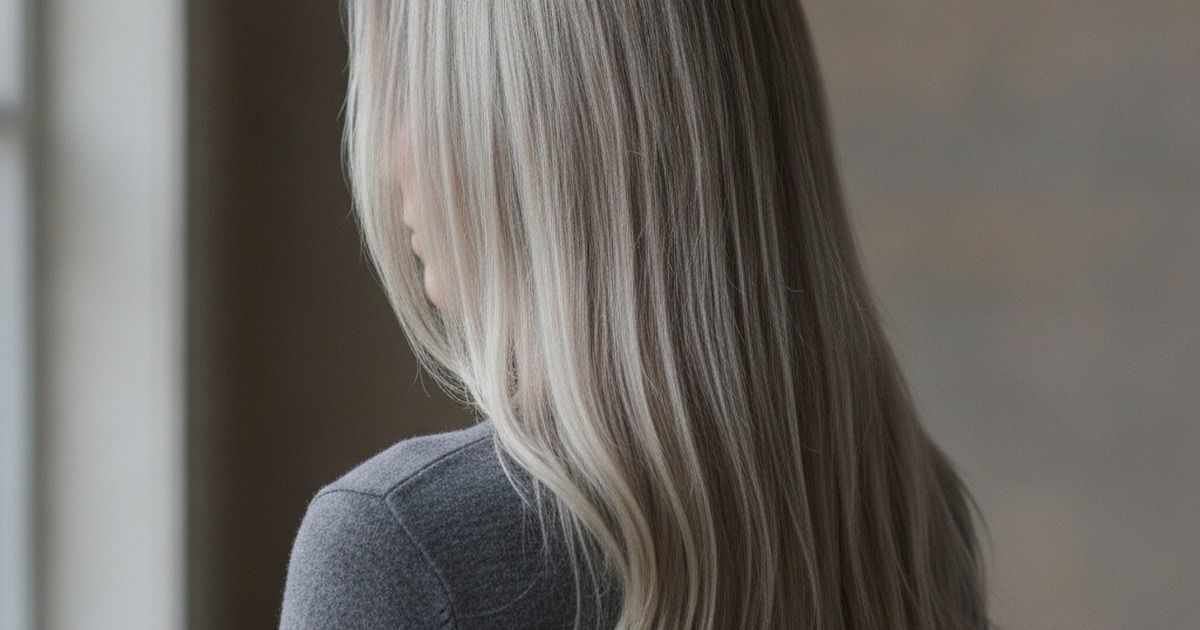

Walk into any color chair in Los Angeles with a phone full of Pinterest screenshots labeled "ash blonde," and you will likely be holding six different shades. One is smoky and almost gray. Another looks like a beige blonde photographed under cool light. That confusion is exactly why so many people search "what is ash blonde hair color" before they book: they ask for it like it is a single shade off a shelf, when it is actually a tone family that behaves differently depending on how light the base underneath it happens to be.
A colorist working a chair in Los Feliz or Studio City hears "ash blonde" constantly and knows the client rarely means the same thing twice. Getting specific about what ash actually is, and what it demands once it is on your head, is the difference between walking out with the cool, dimensional blonde from the reference photo and walking out disappointed once the tone starts drifting. It is also the difference between a smooth consultation and one where you spend a while scrolling through photos trying to explain a look your colorist cannot quite pin down.
Ash Is a Tone, Not a Level
Colorists build every blonde from two separate decisions: level and tone. Level is lightness, on a scale that generally runs from about 1 (black) to 10 (lightest blonde). Tone is the pigment reflect layered on top of that lightness, and it is where ash lives. Ash tone is built from blue and violet pigment, sometimes with a touch of green, and its job is to cancel the yellow and orange warmth that lightened hair produces naturally.
Beige, gold, and honey blondes lean neutral to warm. Ash sits at the cool end of the same lightness scale. Many professional color lines mark this with a decimal in the shade formula, so a 7.1, 8.1, or 9.1 signals ash specifically, with the number before the decimal describing how light the result will be and the ".1" describing the cool pigment doing the work underneath. Wella Professionals lays this distinction out clearly in its own tone guide, worth reading before you book if you want the vocabulary to describe exactly what you're after.
That level-and-tone split explains why two people can both ask for "ash blonde" and leave with results that barely resemble each other. One is asking for a smoky level 7. The other means an icy level 10. Same tone family, completely different finished look.
How the Same Tone Reads From Level 7 to Level 10
Because level and tone move independently, the identical cool-toned formula reads differently as the base gets lighter. This is a general pattern colorists rely on, not a fixed chart with one official name per level. Shade naming varies by brand and by color line, so treat the ranges below as a rough map rather than a menu.
- At level 7 to 8, ash tends to read smoky, sometimes described as "mushroom" blonde, with visible depth and a graphite-leaning cast rather than a bright finish.
- At level 9, it produces the medium ash blonde most people picture when they hear the term: cool, soft, not obviously dark or obviously platinum.
- At level 10 and above, the same cool pigment reads icy and near-platinum, with a silvery cast that shows up especially well in direct sun.
If you bring in a reference photo, naming the level along with the word "ash" gets you much closer to that photo. "Ash blonde" alone tells your colorist the tone family. It does not tell them how light you want to go, and that gap is where a lot of chair-side disappointment starts.
Why Ash Fades Faster Than Any Other Blonde Tone
Ash has a reputation, and it is earned. It fades faster than beige, gold, or honey blonde, and colorists point to two things happening at once.
The first is delivery. Ash is almost always applied as a toner: a semi-permanent step laid on top of hair that has already been lightened, rather than a permanent warm pigment mixed directly into the base color. Semi-permanent molecules sit closer to the hair's outer layers instead of binding deep in the cortex, so they rinse out with regular shampooing well before any underlying warmth has a chance to grow out. L'Oreal Paris and other consumer color-education sources typically cite a repeat-toning window of roughly every four to six weeks, shorter on porous or previously lightened hair, and that is a typical range from commercial guidance rather than a fixed clinical figure.
The second is pigment behavior, and this part is worth flagging honestly: it is the explanation colorists give, not a claim backed by a peer-reviewed chemistry study within what this article can verify. The way it is commonly described, blue and violet toning molecules are smaller than the red and yellow pigment already sitting in the hair, so they diffuse out faster with washing, heat, and mineral exposure, leaving the warmer pigment behind. That is why ash rarely fades evenly. It fades into brass, which is also part of why lightened hair drifts warm in the first place, a mechanism this site has broken down in detail separately in why highlights turn brassy in the first place.
Los Angeles Adds Its Own Layer
Fade speed is a hair chemistry problem everywhere. In Los Angeles it is also a water and sun problem, and the two compound each other. This site has already gone deep on both factors, including the actual PPM range for LA tap water and how the region's peak-summer UV index accelerates color breakdown, so here is the short version, with the full breakdown at Hard Water and LA Sun: Stop Hair Color Fade.
The general classification is worth knowing regardless of which LA neighborhood your tap draws from. The U.S. Geological Survey classifies any water above 180 milligrams per liter, which is the same measure as parts per million, as "very hard," and the ranges typically cited for LA tap water sit solidly inside that category. Mineral buildup from hard water coats the hair shaft and dulls cool tones faster, which works directly against a shade whose entire appeal is a clean, unmuddied cool cast.
Sun does its own separate damage. As covered in "Hard Water and LA Sun: Stop Hair Color Fade," UV exposure oxidizes compounds in the hair shaft and pushes color warm, and Southern California spends summer sitting at a UV index that counts as very high to extreme.
An ash tone built specifically to cancel warmth is fighting a climate that is actively adding warmth back in. That is a reason to walk in knowing the maintenance math before you commit to it, not a reason to avoid the shade altogether.
Know What You Are Signing Up For
Here is the part worth saying plainly, because most guides on this topic will not say it. This site's own coverage of where LA color is heading in 2026, Warm Brunette Hair Color: 2026's Big Shift, has already tracked a real shift toward warm brunette tones and away from ash, driven in part by exactly the fade profile described above. That is not a contradiction of anything written here. It is the market responding rationally to a shade that requires more upkeep in a sun-heavy climate with hard water running through nearly every tap.
None of that makes ash the wrong choice for you. It means booking it with open eyes rather than a Pinterest board and a vague hope. Plenty of clients still want that cool, dimensional finish and are happy to build the toning visits into their routine. The goal here is an honest picture, not a sales pitch and not a warning label.
Who Ash Actually Flatters
Wella Professionals offers a simple test that colorists use often: if silver jewelry looks better on you than gold, cooler and ashier tones are more likely to flatter your coloring than warm ones. Ash tends to suit lighter to cooler complexions well, and it can be customized for olive or neutral undertones with the right formulation at the chair.
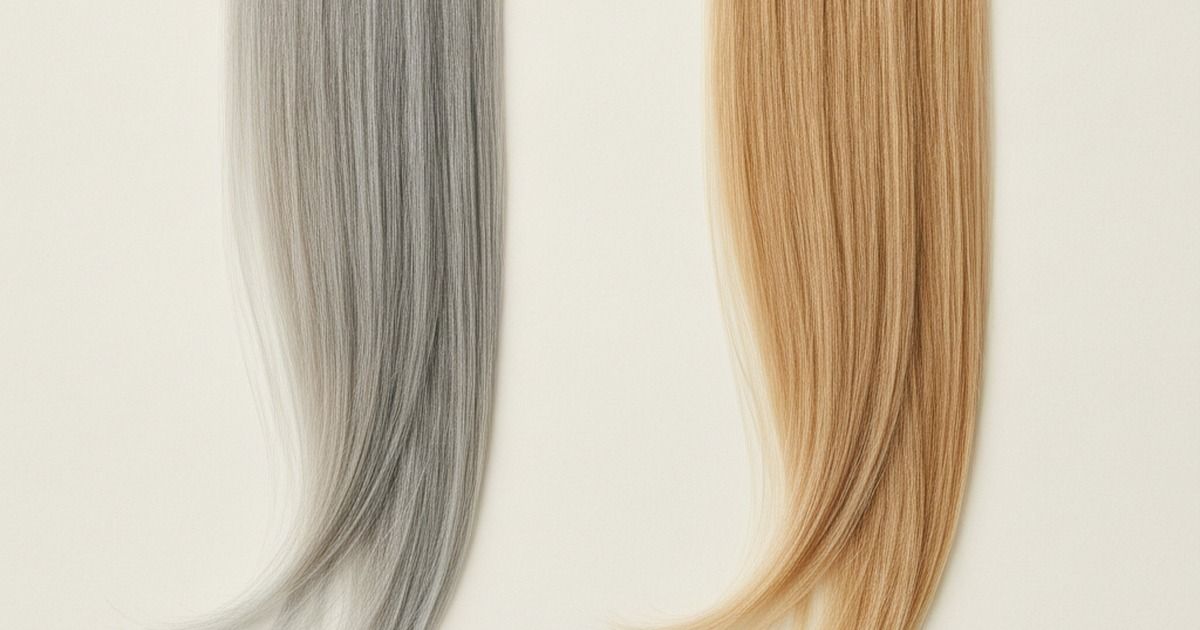
If you run warm, with golden or peachy undertones and hair that has a lot of natural red or orange pigment underneath, ash is still an option worth discussing. It fights harder against your base, which usually means more frequent toning and a colorist who is genuinely skilled at neutralizing warm underlying pigment before the ash goes on. Worth asking about directly at the consultation, before any lightener touches your hair.
Living With Ash Between Salon Visits
Ash is not a color you finish and forget. The visits between visits matter almost as much as the formula itself. Purple shampoo is the standard tool here: the violet pigment in the formula counteracts brassiness as it builds, though not every shampoo on your shelf is safe for colored hair, though it works as upkeep rather than a substitute for professional toning. A heat protectant on styling days matters more with ash than with warmer tones, since heat speeds up the same pigment breakdown that washing and sun already cause.
Some clients in hard-water markets add a shower filter to reduce mineral buildup between salon visits, since that buildup is part of what dulls a cool tone faster than it would otherwise fade. None of this stops the toner from fading eventually. It buys time between the appointments where a colorist resets the tone properly.
How to Ask for It Without Ending Up Green or Flat
A few common frustrations recur across consumer color-education guides, even without a single formal study behind them. Ash occasionally reads greenish when it is applied over the wrong underlying pigment or left on too long. It can read flat or dull instead of icy and dimensional when the level and tone are not matched to a person's natural depth. And the toner "not lasting," meaning it looks fresh for only a couple of weeks before warmth creeps back in, is a pattern that recurs across consumer color-education guides.
You can head off most of that at the consultation. A few specific things worth saying out loud, before a single foil goes in:
- Name the tone and the level separately: "I want a level 9 with an ash tone," not just "ash blonde."
- Ask what toning interval to expect and whether your hair's porosity will shorten it.
- Ask whether the ash will be delivered as a gloss or a toner, since the two behave differently in terms of pH and how long the result holds (see Hair Gloss vs. Toner: The Real Difference).
- Bring a reference photo and ask your colorist to translate it into their own numbering system rather than assuming it maps directly.
If you are new to a colorist or a salon entirely, it is worth going in with a short list of questions beyond the shade itself, covering everything from patch tests to pricing to how a salon handles a color correction if the first result is not quite right (see Questions to Ask Before Booking a Colorist).